Build Powerful Products from Your Kitchen Table

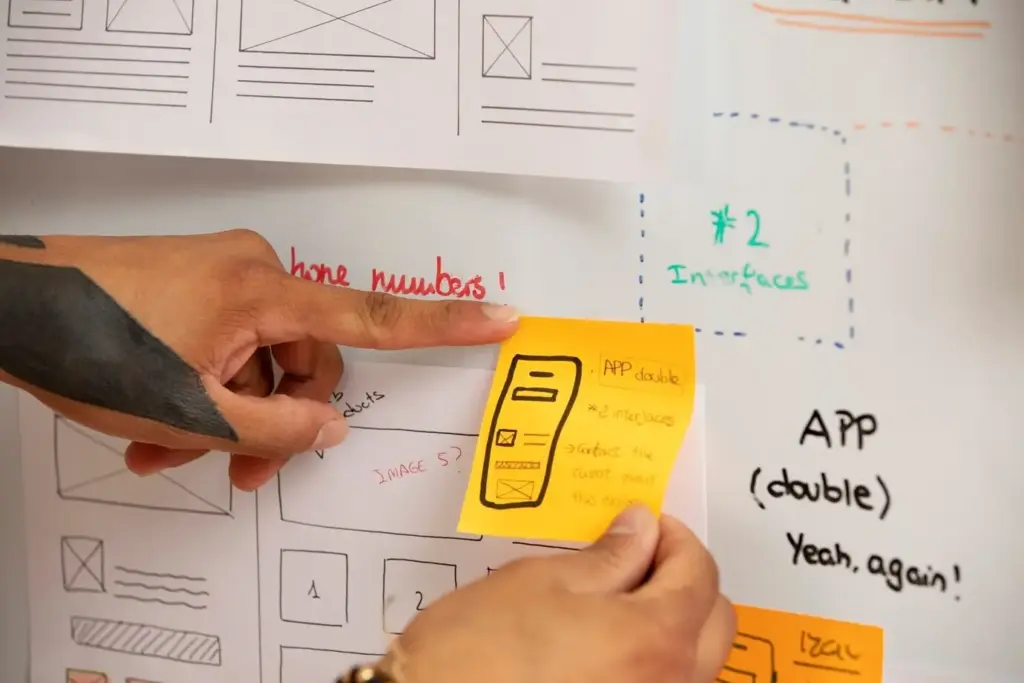
Working from home, you can stitch together capable products without touching code. Today we explore no-code stacks for bootstrapped micro-startups built from home, mapping practical tool choices, lean workflows, and tiny habits that compound into meaningful revenue. Expect clear examples, scrappy validation ideas, actionable automations, and safeguards that keep you confident while shipping fast. Bring your idea and curiosity; by the end, you’ll know exactly what to test next and how to launch responsibly this week.

The Homegrown Launch Playbook

Front-end and publishing

Webflow, Framer, or Carrd deliver polished sites quickly, with responsive layouts and solid SEO foundations. Use lightweight pages, clear headlines, and a single call to action. Leverage CMS collections for updates, Jetboost for searching Webflow content, and a changelog that builds trust. Keep page weight lean, defer fancy animations, and make speed your brand.

Data and logic without servers

Airtable and SmartSuite feel like spreadsheets but behave like databases, giving you relations, views, and permissions most solo founders need. Notion databases are excellent for internal notes but awkward for public apps. For customer-facing data, pair Airtable with Softr or Glide. Add formula fields, rollups, and linked records to express logic without scripts while keeping everything transparent.

Automation and glue

Let Zapier or Make move data between your forms, CRM, and billing automatically. Use webhooks for speed, retries for resilience, and descriptive names for every step. Keep secrets in environment fields, not text notes. Where human judgment matters, add manual review tasks. Start simple, then extract reusable subscenarios so you can maintain growth without firefighting.

From First Dollar to Sustainable Revenue

Collect money fast, compliantly

Stripe Checkout, Lemon Squeezy, or Gumroad let you sell quickly without building subscription infrastructure. Start with one product and a transparent price. Enable receipts, basic tax collection, and clear refund terms. Add a custom field asking buyer goals, then follow up personally. Keep the payment button visible, mobile friendly, and never more than three clicks away.

Validate with preorders and pilots

Before heavy building, run a paid pilot for a tiny cohort. Offer a defined outcome, fixed timeline, and honest limitations. Use a simple contract, calendar scheduling, and weekly check-ins. Record objections and outcomes meticulously. Preorders signal urgency, but protect trust with clear delivery dates, alternatives when delayed, and immediate refunds when the fit proves wrong.

Retention as a product

Activation and retention compound growth more reliably than ads. Craft a three-email onboarding sequence in MailerLite or ConvertKit that sets expectations and celebrates a first win. Add in-product nudges, lightweight tutorials, and a cancel flow that offers pauses or smaller plans. Track a single North Star metric and share progress openly to earn advocacy.

Automation That Feels Like Magic

Automations should feel invisible, kind, and reversible. They free your attention for conversations and creativity while reducing errors that creep in during late nights. We’ll show patterns that survive edge cases, respect privacy, and explain themselves clearly when something breaks. Done right, your system becomes a calm collaborator rather than a fragile maze of triggers.

Event-driven workflows

Design flows around real events: form submitted, invoice paid, record updated, or schedule reached. Add filters to avoid loops, queues to absorb spikes, and idempotency keys to prevent duplicates. Where possible, debounce rapid changes. Document triggers and outcomes inside each step, then review weekly so you notice growth, bottlenecks, and surprising user behavior before issues escalate.

Human-in-the-loop checkpoints

Not every decision should be automatic. Insert checkpoints for approvals, content reviews, or edge-case handling. Use tools like Airtable Interfaces or Softr dashboards to surface pending items cleanly. Give yourself a quiet mode overnight and clear audit trails for every action. A humane system honors exceptions while still shortening the path to value most days.

Monitoring and incident habits

Set up alerts that matter: failed payments, sync errors, and unusually quiet days. Route messages to a dedicated Slack channel with actionable context and links. Keep lightweight runbooks explaining what to try first. Schedule monthly fire drills to test backups and recovery steps, because confidence grows when you practice, not when you merely hope.

Real Stories from the Spare Room

Examples help translate tactics into courage. Here are three composite stories inspired by real patterns we see: ordinary people, constrained schedules, and scrappy tools producing outsized results. Notice how deliberate scoping and thoughtful automations protected energy while revenue arrived early. Use these as prompts rather than prescriptions, adapting details to your market and constraints.

Protect customer data simply

Use strong, unique passwords and hardware keys or app-based two-factor authentication everywhere that matters. Centralize credentials in 1Password, share with vaults, and revoke access from retired devices promptly. Limit collaborators to least privilege and audit third-party apps quarterly. Avoid storing raw personal data in notes or logs, and anonymize exports before analysis whenever possible.

Compliance-lite mindset

Map the personal data you touch, keep a lightweight record of processing purposes, and sign data processing agreements with key vendors. Offer clear consent for cookies, honor unsubscribe requests instantly, and document how to delete accounts. Publish a short, readable privacy page. These habits save headaches during audits and demonstrate respect long before anyone asks.

Backups and continuity

Schedule weekly exports of critical records, store them encrypted in two locations, and test restores monthly. Track version history for automations and site changes so you can roll back confidently. Keep a short list of single points of failure and reduce them systematically. Even tiny redundancies prevent the rare bad day from becoming catastrophic.

Day 1–2: Research and landing

Talk to five prospects, synthesize one painful job, and write a crisp value proposition. Build a single-page site in Webflow or Carrd with one call to action and a checkout or waitlist. Record a Loom demo. Post your page in two communities and ask for blunt, specific feedback that will shape your next steps.

Day 3–5: Build and automate

Assemble the smallest workflow that makes the promised outcome happen once. Use Airtable to track requests, a checklist to deliver value manually, and Zapier or Make to handle confirmations and updates. Add a dashboard for transparency. Document every recurring action, then automate only what you repeated three times. Protect sleep with quiet hours enabled.

Day 6–7: Sell, measure, iterate

Invite three buyers personally, run sessions, and collect payment using the simplest method accepted in your region. Ship a tiny upgrade the next day based on feedback. Measure activation, time to value, and cancellations. Write a backstage note summarizing wins and mistakes, then share it with subscribers. Ask readers to reply with hurdles you can solve next.
Menotokuxatupefupu
Privacy Overview

This website uses cookies so that we can provide you with the best user experience possible. Cookie information is stored in your browser and performs functions such as recognising you when you return to our website and helping our team to understand which sections of the website you find most interesting and useful.